Unlock More App Downloads: 11 Data-Driven Apple Ads Strategies That Work
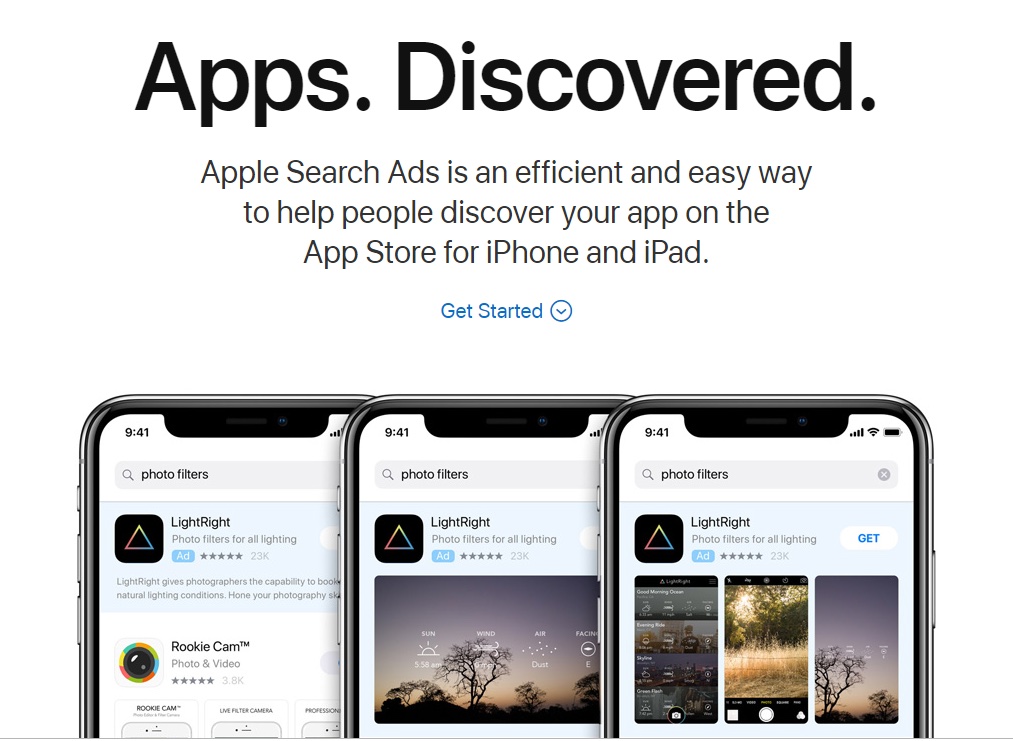
In today’s crowded app marketplace, visibility is everything. Even the most innovative apps can struggle to gain traction without a smart acquisition strategy. Advertising within the App Store ecosystem, operated by Apple Inc., gives developers a direct path to high-intent users—but success depends on far more than simply turning campaigns on.
To drive meaningful growth, you need data. The following 11 strategies show how a data-driven approach to Apple Ads can increase installs, lower acquisition costs, and help you stay ahead of the competition.
Why Data Matters in Apple Ads
Apple Ads reach users at the exact moment they’re searching for solutions. That intent is powerful—but it also means competition is fierce. Without insights into keyword behavior, market trends, and competitor activity, you risk overspending or missing valuable opportunities.
Data transforms Apple Ads from a guessing game into a scalable growth engine.
1. Start with Intent-Driven Keyword Research
Focus on keywords that reflect what users want to accomplish, not just what your app does.
For example, users rarely search for categories—they search for outcomes like budget planner, workout tracker, or photo editor.
Tip: Prioritize relevance over volume. High-intent keywords convert better, even if traffic is lower.
2. Analyze Competitor Keyword Strategies
Your competitors have already tested what works. Studying their keyword coverage can reveal gaps in your own campaigns and highlight terms you may not have considered.
Platforms like Appfigures provide visibility into which keywords competing apps target and how frequently they appear, helping you make smarter bidding decisions.
3. Expand Coverage with Long-Tail Keywords
Long-tail keywords are more specific, less competitive, and often cheaper—yet they attract highly qualified users.
Instead of bidding only on “fitness app,” include variations like:
home workout planner
strength training log
beginner fitness routine
These incremental gains add up quickly.
4. Use Broad Match Carefully—Then Refine
Broad match can surface new opportunities, but it often introduces irrelevant traffic. Treat it as a discovery tool, not a permanent strategy.
Action Step: Regularly review search terms and convert strong performers into exact-match keywords.
5. Add Negative Keywords Aggressively
Every irrelevant tap costs money. If a keyword doesn’t align with your app’s purpose, block it.
Negative keywords help:
Reduce wasted spend
Improve conversion rates
Increase campaign efficiency
6. Monitor Share of Voice on Critical Keywords
If competitors dominate impressions for your most valuable terms, you may need to:
Increase bids strategically
Improve creative relevance
Shift to adjacent keywords with better ROI
Winning isn’t always about bidding higher—it’s about bidding smarter.
7. Refresh Keywords Monthly
Search behavior changes constantly. New trends, features, and competitors reshape the landscape.
Make keyword discovery an ongoing process—not a one-time setup.
8. Capture Seasonal and Event-Based Demand
User searches shift dramatically around:
Holidays
Back-to-school periods
Fitness seasons (New Year spikes)
Major product or cultural events
Short-term campaigns targeting seasonal keywords can deliver strong bursts of installs.
9. Align Paid and Organic Optimization
Your paid keyword data is a goldmine for App Store Optimization (ASO).
If a paid keyword drives installs, consider integrating it into:
This creates a multiplier effect across both paid and organic visibility.
10. Localize Campaigns for International Growth
Expanding into new markets requires more than translation—it requires search behavior localization.
Different regions use different terminology, even for the same functionality. Data-driven localization ensures you target how users actually search.
11. Measure, Test, and Iterate Relentlessly
Top-performing Apple Ads campaigns are never “finished.” They operate on a continuous loop:
Analyze → Adjust → Test → Scale
Track:
Cost per acquisition (CPA)
Keyword-level conversion rates
Impression share vs. competitors
Install velocity after optimizations
Small improvements compound into major growth over time.
Turning Apple Ads into a Scalable Growth Channel
Apple Ads offer one of the most efficient ways to acquire users already searching for apps like yours—but only when guided by actionable intelligence. By leveraging competitive insights, refining keyword strategies, and continuously optimizing performance, you can transform campaigns from simple visibility plays into predictable acquisition engines.
The apps that win aren’t necessarily the ones spending the most.
They’re the ones using data to spend wisely.
Ready to scale your installs? Start by auditing your keyword strategy, identifying missed opportunities, and committing to ongoing optimization. The insights are there—you just need to act on them.